Drain Repairs vs Drain Relining in Weymouth: Which Do You Need?
Homeowners in Weymouth and the surrounding Dorset areas often face drainage problems that require expert attention. Whether due to age, ground movement, or blockages, damaged drains can cause considerable hassle and expense if left unresolved. Understanding your options for fixing these issues is essential before deciding how best to proceed.
Two primary methods are commonly used to repair damaged drains: traditional excavation repairs and modern no-dig drain relining. Both have their merits and drawbacks, and the right choice depends on the nature of the damage, the condition of the property, and budget considerations. This article explores these approaches to help Weymouth residents make informed decisions.
Understanding Traditional Drain Repairs
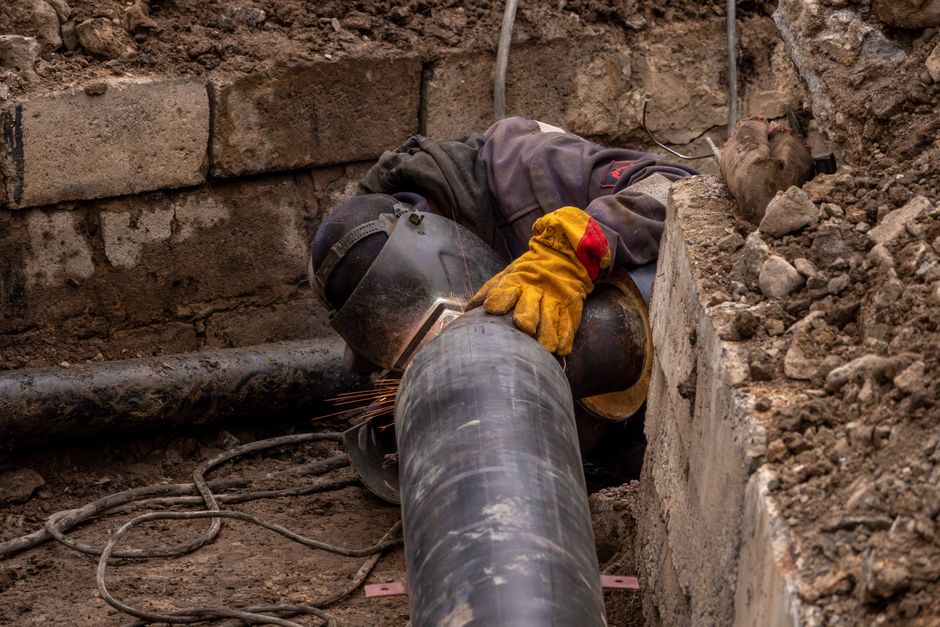
Traditional drain repairs involve excavating the ground to access the damaged pipe sections directly. This method allows for complete removal and replacement of broken or collapsed pipes. Excavation is often necessary when the pipe is severely damaged or when the exact location of the issue is hard to pinpoint without a clear visual inspection.
For homes in Weymouth, where properties may be older and drainage systems susceptible to tree root ingress or soil shifting, this method provides a thorough fix. It offers the advantage of addressing all damaged sections at once and can accommodate large-scale repairs.
However, excavation can be disruptive, requiring digging up gardens, driveways, or pathways. This often results in additional restoration work post-repair, which can add time and cost. It may also be challenging in tight or hard-to-access areas typical of some Dorset properties.
Exploring No-Dig Drain Relining
No-dig drain relining is a trenchless technique that repairs drains without excavation. A resin-coated flexible liner is inserted into the existing pipe, then inflated and cured, forming a new, durable pipe within the old one. This method preserves the original pipe’s route and avoids the mess of digging up surrounding soil or structures.
This option is especially popular in residential areas of Weymouth and nearby towns like Dorchester and Portland, where homeowners prefer minimal disruption. Relining is generally quicker than traditional repairs and can extend the life of a drain by 25 years or more.
Despite these advantages, relining is best suited for pipes that are structurally sound but suffering from cracks, holes, or minor collapses. It is not typically recommended if the pipe has shifted significantly or is completely collapsed, situations where excavation might be unavoidable.
Pros and Cons of Traditional Drain Repairs
One major benefit of traditional repairs is the ability to fully replace damaged pipe sections, making it a more permanent solution for severely damaged drains. It also allows for a thorough inspection and cleaning of the entire drainage system during the repair work.
On the downside, the excavation process can cause significant disruption to your property, especially in established gardens or paved areas common around Weymouth homes. This disruption often requires additional landscaping or driveway repairs, increasing overall costs and inconvenience.
Moreover, traditional repairs tend to take longer from start to finish compared to relining, with the excavation and reinstatement phases extending the repair timeline.
Pros and Cons of Drain Relining
Drain relining offers a less disruptive, faster repair process, often completed within a day or two. This makes it an attractive choice for Weymouth residents who want to avoid the mess and inconvenience of excavation.
Since relining uses the existing pipe as a base, it preserves landscaping, paved surfaces, and driveways, which is highly desirable in properties around Dorset’s urban and rural areas. Additionally, it provides a smooth interior pipe surface that can improve flow and reduce future blockages.
However, relining isn’t always suitable. If the pipe has major structural problems such as significant misalignment, collapse, or root intrusion causing a complete blockage, relining may only be a temporary fix or not possible at all.
Factors to Consider When Choosing a Repair Method
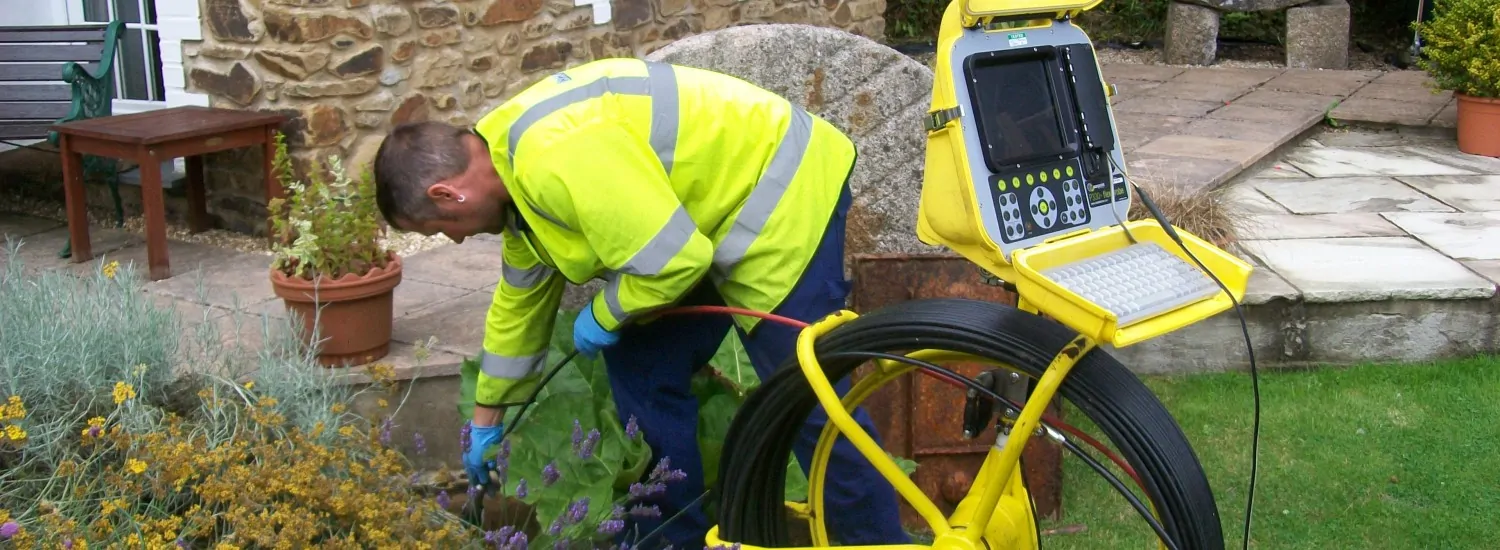
When deciding between traditional repairs and relining, the extent and type of pipe damage is the key consideration. A professional inspection, often using CCTV drain surveys, helps establish the severity of the problem.
In Weymouth and nearby areas like Chickerell or Upwey, soil conditions and property age can also influence the choice. Older homes with fragile pipes may benefit from replacement, while newer or moderately damaged pipes may be ideal candidates for relining.
Cost and disruption should also be weighed carefully. While relining may seem cost-effective initially, if the pipe requires major repairs later, excavation might be unavoidable. It’s important to get expert advice tailored to your property and drainage issues.
What to Expect During Each Repair Process
For traditional repairs, expect excavation equipment on site and some level of disturbance to your garden or driveway. The team will remove the damaged pipe sections and replace them before filling in the excavation and restoring the surface. Depending on the work extent, this can take several days or longer.
In contrast, drain relining involves cleaning the pipe first, then inserting the liner, curing it with heat or UV light, and finally inspecting the finished repair with CCTV. This process is generally completed within a day, with minimal mess and no need to dig up your property.
Both methods require a professional assessment and planning to ensure the repair is effective and compliant with local Dorset drainage regulations. Homeowners should prepare for some access disruption and follow any advice given to protect the area during repairs.
Local Drainage Challenges in Weymouth and Dorset
Weymouth’s coastal location and Dorset’s varying geology can impact drainage systems. Clay soils common in the region tend to expand and contract, causing pipe movement and cracks. Tree roots from the region’s gardens can also invade drains, leading to blockages and damage.
Homes in nearby towns such as Maiden Newton or Broadwey may experience similar issues due to soil type and vegetation. Knowing these local factors helps drainage professionals recommend the best repair strategy tailored to your home’s environment.
Seasonal weather patterns, including occasional heavy rain, can exacerbate drainage problems in the area. Prompt and appropriate repairs help prevent further damage and costly repairs down the line.
Making the Right Choice for Your Weymouth Home
Ultimately, the decision between traditional drain repairs and drain relining depends on the specific condition of your drainage system and your priorities regarding disruption, cost, and longevity.
For minor to moderate damage with structurally intact pipes, no-dig relining is often the preferred solution across Weymouth and neighbouring areas like Preston or Wyke Regis. It’s quick, less invasive, and effective for many common drainage issues.
However, if your drains have extensive damage, persistent blockages, or shifting pipes, traditional excavation repairs may provide a more comprehensive and durable fix, despite the greater disruption involved. Consulting a local drainage expert who understands Dorset’s unique conditions is the best way to ensure the right repair method is chosen.
Need a drainage expert in Weymouth?
Call 01305 457923