Collapsed Drains in Weymouth: Signs, Causes and Repair Options
Living in Weymouth or the surrounding Dorset area means dealing with damp weather and older properties where drainage systems can often struggle. One common but serious issue homeowners face is a collapsed drain, which can lead to persistent blockages, water damage, and even structural problems if left untreated. Understanding what a collapsed drain is, how to spot the signs early, and knowing your repair options can save time, stress, and money.
Drainage problems can arise slowly or suddenly, and collapse often occurs where older pipes have weakened due to ground movement or tree root intrusion. For residents in nearby towns like Dorchester, Portland, or Chickerell, recognising these issues early is key to protecting your home. This article explores the tell-tale signs, common causes, diagnostic techniques, and repair solutions tailored to the unique conditions found in Weymouth and Dorset properties.
What Is a Collapsed Drain?
A collapsed drain happens when a section of underground pipework fails structurally, causing it to cave in, crack, or break apart. Unlike a simple blockage caused by debris, a collapse means the pipe itself is no longer intact and cannot effectively carry wastewater or rainwater away from your property.
In Dorset’s varied soil conditions—from the clay-rich areas near Upwey to the sandy grounds around Wyke Regis—pipes can deteriorate at different rates. Older clay or concrete drainage pipes laid decades ago are particularly vulnerable, especially if they were installed without modern protective measures. Once a drain collapses, it often leads to blocked flow, water pooling, and damage to the surrounding ground.
Understanding the difference between a blockage and a collapsed drain is important because the repair approach diverges significantly. While blockages might clear with a drain jetting or rodding, collapsed drains require more involved inspection and structural repair.
Signs Your Drain May Be Collapsed
One of the first indicators of a collapsed drain is persistent blockages that keep recurring despite regular clearing. If your drains in Weymouth or nearby towns like Broadwey or Littlemoor become blocked frequently, it could mean the pipe has partially caved in, catching debris and restricting flow.
Another warning sign is damp patches or unusual water pooling in your garden or near the foundation of your home. Collapsed drains leak wastewater into the soil, often raising moisture levels and causing damage to your lawn or garden areas, especially visible in places like Osmington or Abbotsbury.
More severe symptoms include subsidence or small sinkholes appearing in your lawn or driveway. This happens because the ground settles where the pipe has collapsed and soil has washed away. Homeowners in areas with older properties, such as Charminster or Maiden Newton, should be particularly vigilant if they notice sudden ground depressions or cracks in walls.
Common Causes of Drain Collapse in Weymouth and Dorset
Several factors contribute to drain collapse in the Weymouth area. Firstly, ageing pipework is a major cause. Many homes in Dorset have drainage systems installed in the mid-20th century or earlier, using materials like clay or unreinforced concrete that degrade over time, becoming brittle and prone to cracking.
Ground movement from natural shifts or road traffic can place pressure on underground pipes. Dorset’s geology includes areas of clay and chalk which expand and contract with moisture changes, exacerbating stress on drainage pipes. Locations near Chickerell or Preston, close to coastal or hilly terrain, often experience these soil movements.
Tree root intrusion is also a frequent culprit. Trees common in Dorset gardens send roots deep underground searching for water. These roots can invade joints or cracks in pipes, causing blockages and eventually piercing or collapsing pipe sections. Older drains near woodland or large trees in the Upwey area are particularly vulnerable.
How Collapsed Drains Are Diagnosed
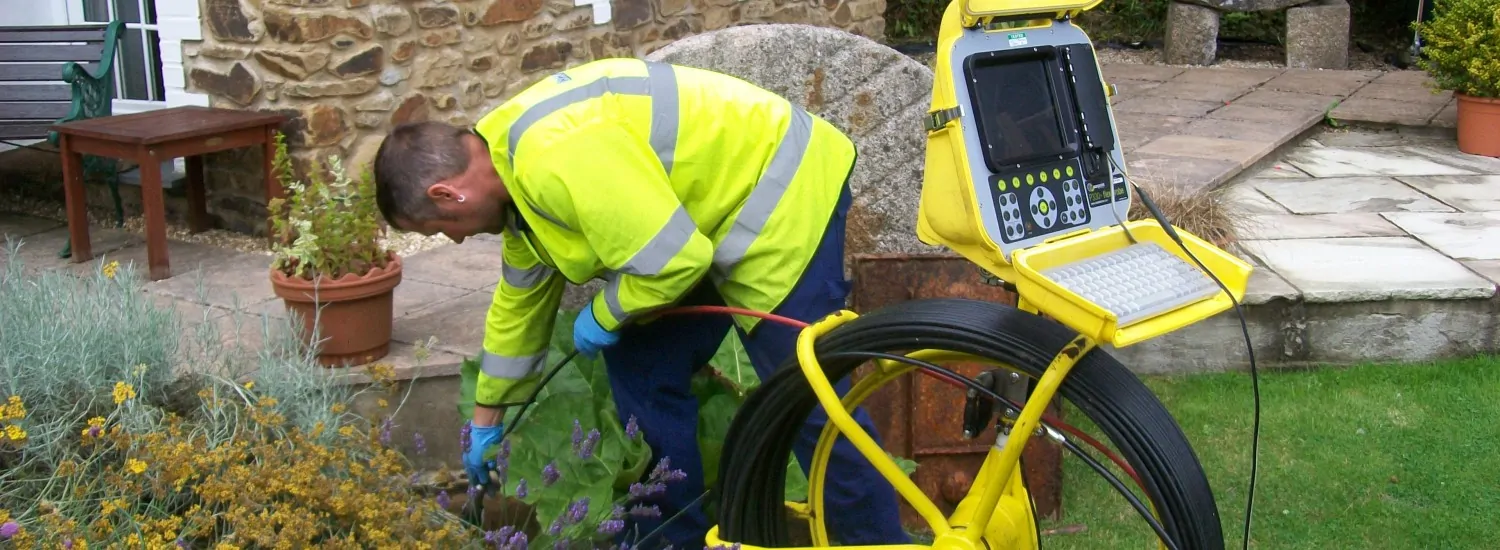
Accurately diagnosing a collapsed drain requires specialist equipment that goes beyond traditional drain clearing tools. Drain inspection cameras are a common method used by professionals in Weymouth and Dorset. These waterproof CCTV cameras are inserted into the pipe and relay real-time video footage of the pipe’s interior condition.
The camera survey allows technicians to pinpoint the exact location and extent of the collapse—whether it’s a small section cracked or a full pipe collapse. This approach minimises guesswork and avoids unnecessary excavation, which is crucial in areas like Wyke Regis or Broadwey where driveways and gardens may be sensitive or valuable.
In some cases, additional methods such as smoke testing or dye tracing are used to confirm leaks or blockages caused by collapsed pipes. These tests help ensure all damaged sections are identified before repairs take place, preventing repeated issues.
Repair Options for Collapsed Drains
Repairing a collapsed drain depends on the severity and location of the damage. Traditional excavation to replace the damaged pipe section is a reliable method but can be disruptive and costly, especially in built-up areas of Weymouth or neighbouring Dorchester where access may be restricted.
Trenchless repair technologies have become increasingly popular, offering less invasive solutions. Methods like cured-in-place pipe (CIPP) lining involve inserting a resin-saturated liner into the existing pipe and curing it to form a strong new pipe within the old, restoring integrity without extensive digging.
For smaller collapses, partial pipe replacements or sectional repairs might be feasible. Drainage contractors serving Dorset will consider factors such as pipe material, accessibility, and property layout before recommending the best repair method. Regardless of the approach, thorough restoration is essential to prevent future collapses or blockages.
Preventing Future Drain Collapse in Dorset Homes
Prevention is always preferable to costly repairs. Regular drain maintenance and inspection can identify early signs of deterioration before a collapse occurs. Homeowners in Dorset, from Charminster to Maiden Newton, should arrange routine checks, especially if their property has aging drainage systems.
Managing tree roots is also vital. Removing or relocating problematic trees, or installing root barriers, can protect pipes in gardens prone to root invasion. Additionally, avoiding flushing non-biodegradable items or grease down drains helps reduce blockages that can stress pipework.
Where soil movement is a known risk, ensuring proper drainage around your property and avoiding excessive weight on driveways or garden areas above drainage lines can reduce pressure on pipes. Taking these steps helps maintain drainage system health and safeguards your Dorset home from unexpected issues.
Local Considerations for Weymouth and Surrounding Areas
Weymouth and Dorset’s unique coastal and rural environment influences drainage challenges. Salt in the soil near coastal areas like Portland can accelerate pipe corrosion, while rural properties in places like Osmington or Abbotsbury may face difficulties due to older septic systems or soakaways linked to underground drains.
Properties built on clay soil, common around Dorchester and Chickerell, experience ground movement that can impact drain stability. When planning any repairs or replacements, local contractors consider these soil conditions to recommend appropriate materials and techniques for lasting results.
Finally, weather patterns in Dorset, including heavy rainfall and occasional flooding, increase water flow demands on drainage systems. Properly maintained and structurally sound drains are essential to manage surface water and prevent damage. Homeowners should stay informed about local drainage risks and act promptly when issues arise.
Need a drainage expert in Weymouth?
Call 01305 457923